Wealth FoundationsBuild the System Before You Pick the Assets
Long-term wealth is usually won or lost in the setup.
We break down investing basics, account rules, fees, taxes, allocation, and the behavioral decisions that compound for decades.
Primary Sources
Long-Term Math
Practical Decisions
The Foundation
How We Build Stronger Wealth Foundations
Good investing starts before a ticker enters the conversation. These guides focus on the account structure, costs, risk capacity, and repeatable rules that determine whether a sensible plan survives real life.
01 · Plan
What job does this money need to do?
We start with goals, time horizon, liquidity, and risk capacity so the portfolio is built around a real obligation rather than a generic return target.
02 · Friction
What quietly reduces the return?
We trace fees, taxes, account restrictions, trading costs, and default settings that look small in one year but become large over a full investing lifetime.
03 · Behavior
Can the plan survive a bad market?
We favor rules that remain usable during volatility, when a mathematically sound portfolio is most likely to be abandoned or changed at the wrong time.
Educational guides for building an investing system, not personalized investment, tax, or legal advice.
Research Library
Latest Wealth Foundations Guides
Investing basics, account strategy, portfolio construction, fees, taxes, and long-term decision rules.

Sep 8, 2026
401(k) Rollover to IRA: Taxes, Fees, and When Not to Move the Money
Compare an old 401(k), a new employer plan, and an IRA before moving money. See the fee, tax, access, and rollover rules that can change the decision.
Read the analysis →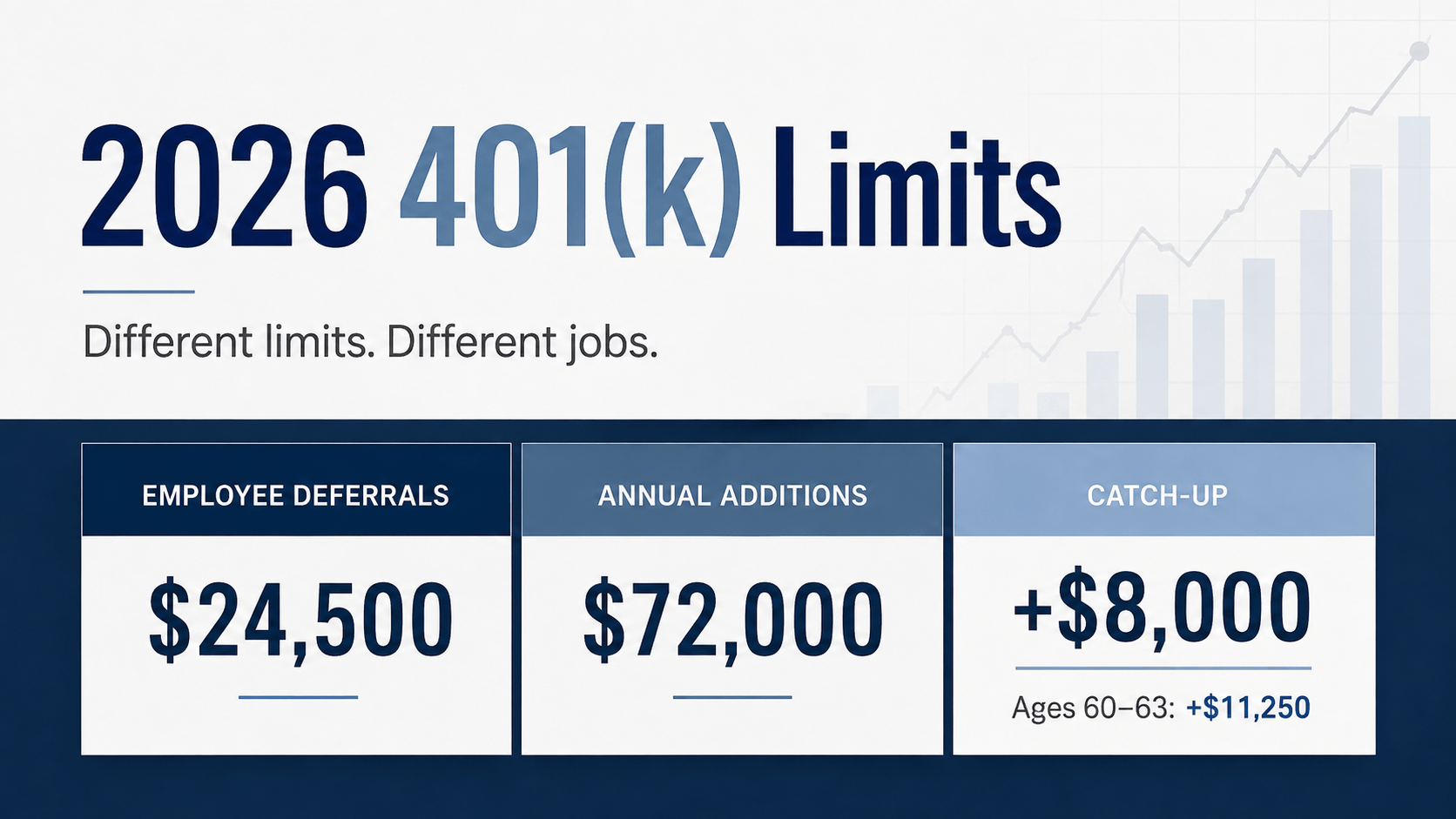
Aug 30, 2026
401k Contribution Limits: Employee, Employer, and Catch-Up Rules
Fill in your 2026 contribution amounts and work through employee deferral, annual-additions, catch-up, Roth catch-up, and employer-scope checks step by step.
Read the analysis →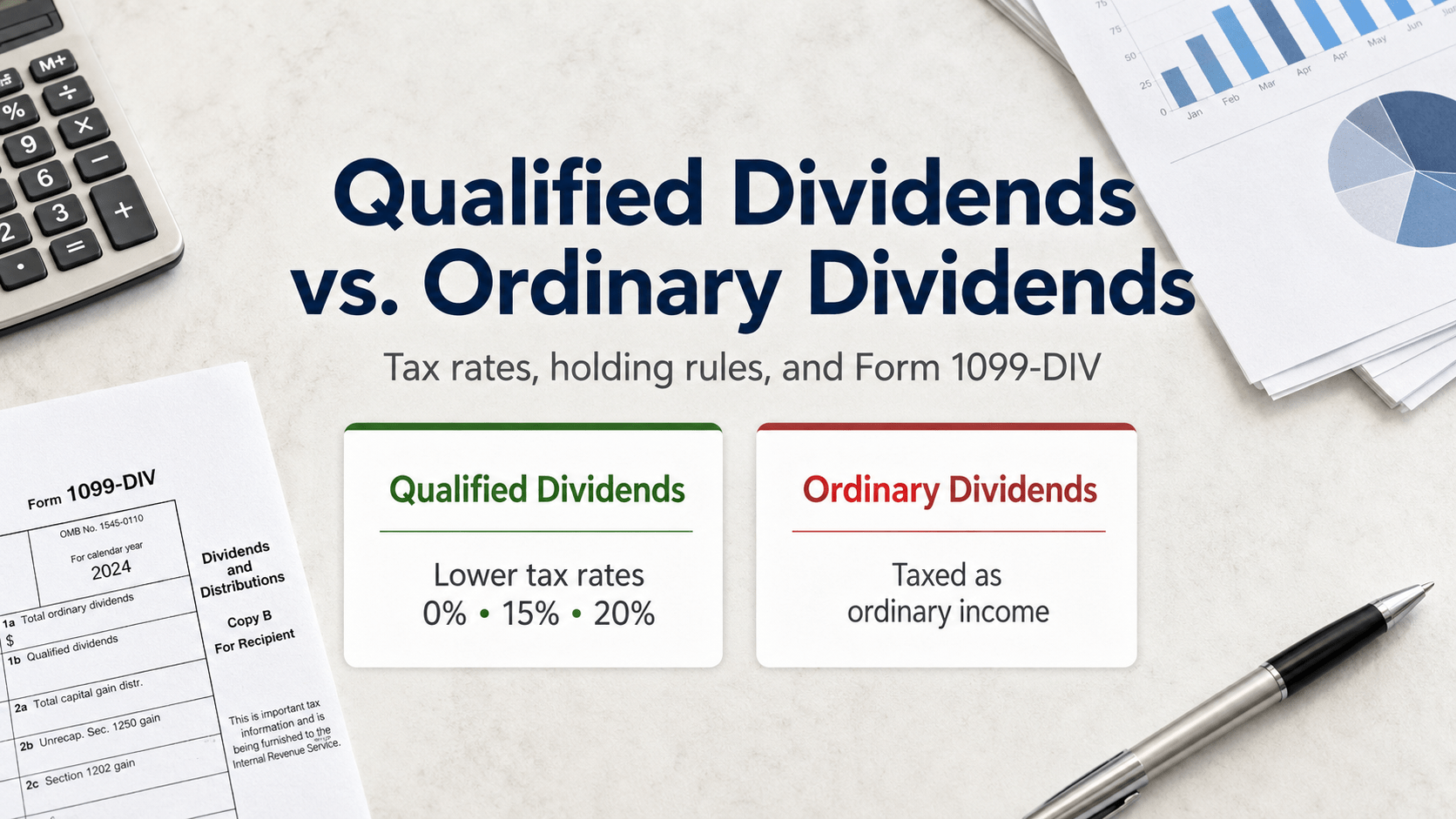
Aug 25, 2026
Qualified Dividends: When You Get Lower Tax Rates (and When You Don’t)
Qualified dividends can receive lower federal tax rates, but an amount in Form 1099-DIV Box 1b does not automatically settle the question. Box 1b is already included in Box 1a,…
Read the analysis →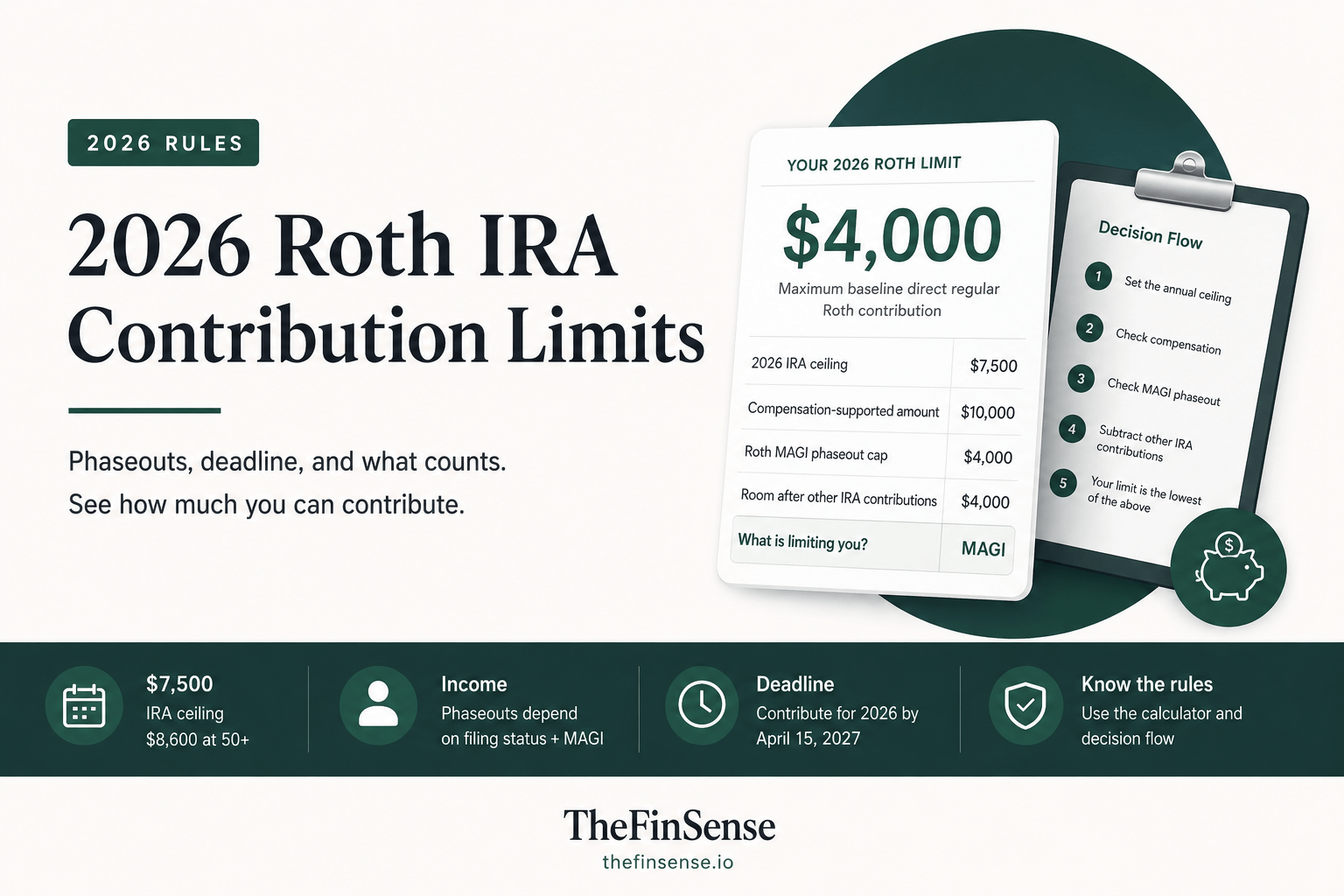
Aug 22, 2026
Roth IRA Contribution Limits for 2026: Phaseouts, Deadline, and What Counts
2026 Roth IRA contribution limits are $7,500, or $8,600 at age 50+. Check the income phaseouts, April 15, 2027 deadline, and calculate how much you can contribute directly.
Read the analysis →
Aug 20, 2026
FIFO Stock Sales vs. Specific Identification: Which Tax Lots Should You Sell?
The highest-basis lot is not always the cheapest lot to sell. Suppose you own two 100-share lots of the same stock. You bought the older lot at $40 per share…
Read the analysis →
Aug 17, 2026
Wash Sale Rule: 30-Day Timing, Replacement Shares, ETFs, and IRA Traps
📅 Rule basis reviewed: August 18, 2026 The wash sale rule can disallow a stock or securities loss even when you never buy the investment back in the same taxable…
Read the analysis →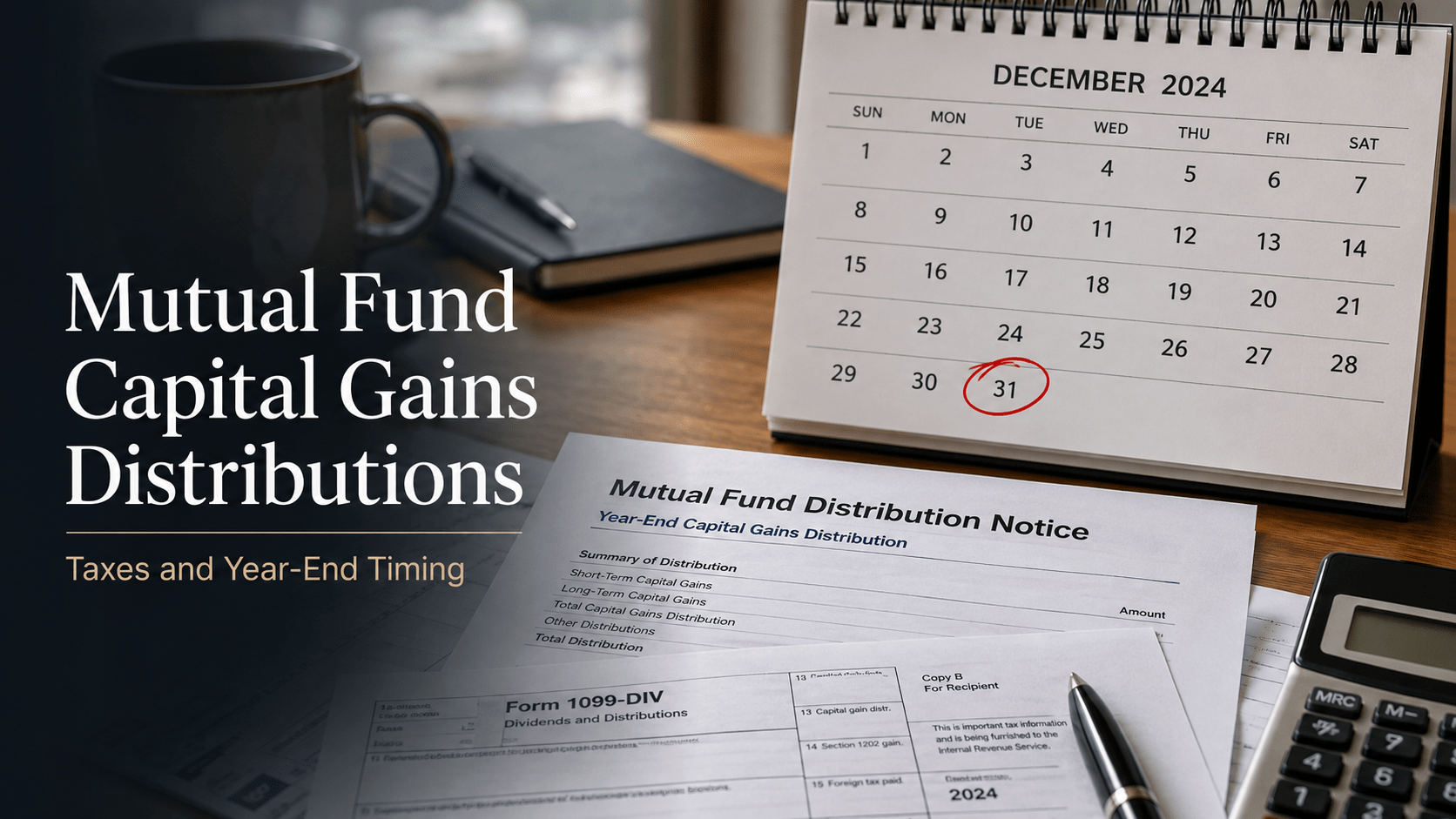
Aug 16, 2026
Mutual Fund Capital Gains Distributions: Taxes and Year-End Timing
📅 Last reviewed: August 15, 2026 Mutual fund capital gains distributions can create a current tax bill even if you never sold your fund shares. For a new taxable account…
Read the analysis →
Aug 13, 2026
Capital Gains Tax on Stocks: Short-Term, Long-Term, and Cost Basis Rules
Capital gains tax on stocks starts with the sale, not the rate table. For a taxable stock sale, first find your adjusted basis and holding period. Then net the year’s…
Read the analysis →
Aug 12, 2026
HYSA vs. Money Market Fund: Where T-Bills Fit
HYSA, money market funds, and T-bills quote yield differently. Put them on the same cash horizon, compare after-tax dollars, and see when a higher yield is actually worth switching for.
Read the analysis →
Aug 9, 2026
SIPC vs. FDIC: Which Protection Applies to Your Money?
📅 Updated: August 8, 2026 SIPC vs FDIC coverage depends on what failed and where the asset is actually held, not the account wrapper. SIPC can protect missing customer cash…
Read the analysis →