
Sectors, Themes & Alternatives
Read the published semiconductor, software valuation, and biotech analyses. The wider coverage areas are described below.
About this section and its research approachResearch Library
Latest Sectors, Themes & Alternatives Analysis
Sector ETFs, thematic funds, industry cycles, commodities, real assets, concentration risk, and portfolio fit.
Jul 26, 2026
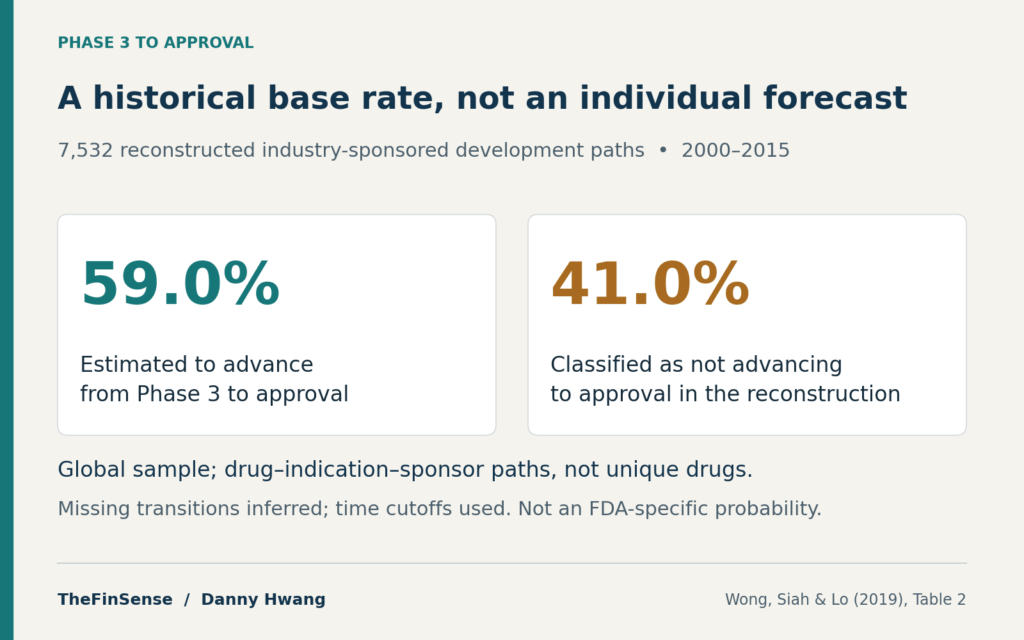
Phase 3 Approval Rate: Only 59% of Programs Make It
The study estimates that 59.0% of Phase 3 development paths advanced to approval in its reconstructed 2000–2015 dataset. Compare nine therapeutic groups, two datasets and six checks before a decision…
Read the analysis →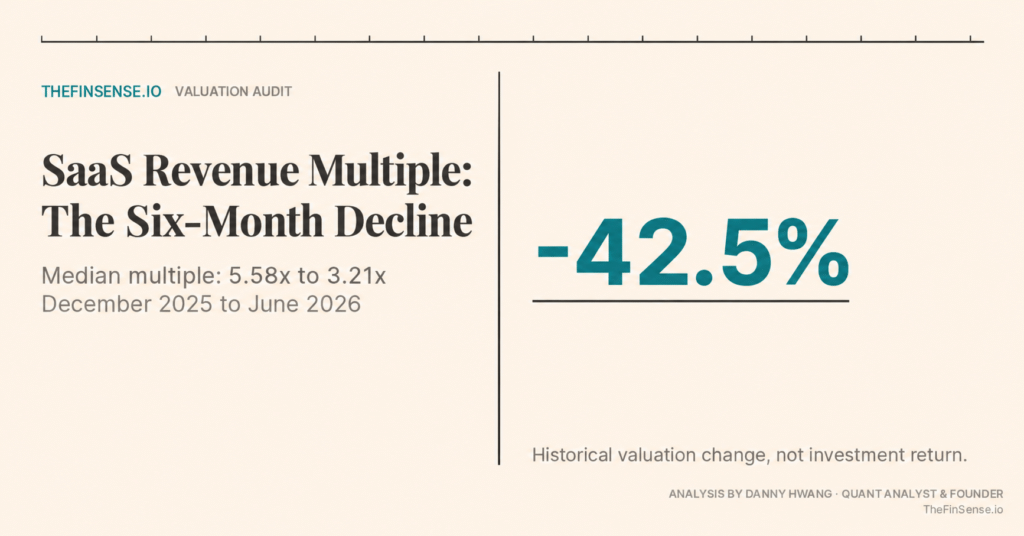
Jul 23, 2026
SaaS Revenue Multiple: The 42.5% Drop from December 2025 to June 2026
The SaaS Capital Index median fell 42.5% from December 2025 to June 2026. Follow the monthly path, compare operating medians, and separate a fixed-revenue valuation model from investment returns.
Read the analysis →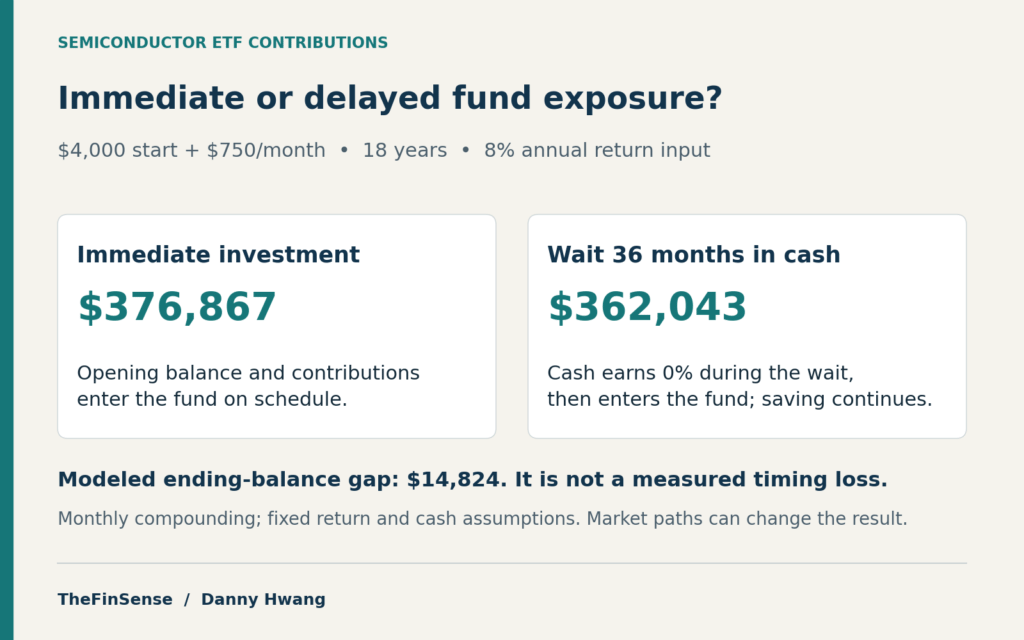
Jul 19, 2026
Semiconductor ETF Dollar Cost Averaging: Costly 3-Year Wait?
Semiconductor ETF dollar cost averaging or waiting for a dip? Test a three-year delay, cash returns and sector risk. The $14,824 gap is a model scenario.
Read the analysis →About this section and its research approach
Sectors, Themes & Alternatives
Research for the parts of the market that do not fit neatly inside a broad index.
Sector funds, thematic ETFs, commodities, real assets, and other alternatives can solve a real portfolio problem. They can also concentrate the same risk under a better story. We examine the business cycle, fund structure, valuation, and portfolio role before deciding which one it is.
Coverage
Sector cycles and industry economics
Semiconductors, energy, financials, healthcare, and other concentrated exposures.
Themes, real assets, and alternatives
AI, clean energy, defense, REITs, commodities, infrastructure, and less conventional diversifiers.
The Editorial Question
What does this exposure add that the rest of the portfolio does not?
A narrow investment should earn its place. A semiconductor ETF may provide deliberate exposure to a capital-spending cycle. A commodity fund may behave differently during an inflation shock. A thematic fund may simply repackage companies already owned through a broad-market index at a higher fee.
Our job is to separate those cases. That means looking past the label and into the holdings, revenue drivers, concentration, valuation, liquidity, fees, and the conditions under which the exposure has historically helped or hurt.
Our Research Frame
Three checks before a narrow idea becomes a portfolio position
01
The economic engine
What actually drives revenue, margins, demand, and returns? A durable industry structure is different from a popular narrative attached to the same group of stocks.
02
The investment vehicle
Which companies, contracts, properties, or underlying assets does the fund really own? We inspect concentration, weighting rules, turnover, fees, and implementation rather than relying on the fund name.
03
The portfolio job
Does the position diversify an existing portfolio, hedge a specific risk, improve income, or simply increase exposure to the same growth companies already held elsewhere?
We use primary fund documents, official datasets, transparent calculations, and historical evidence where the question can be tested.